Ukraine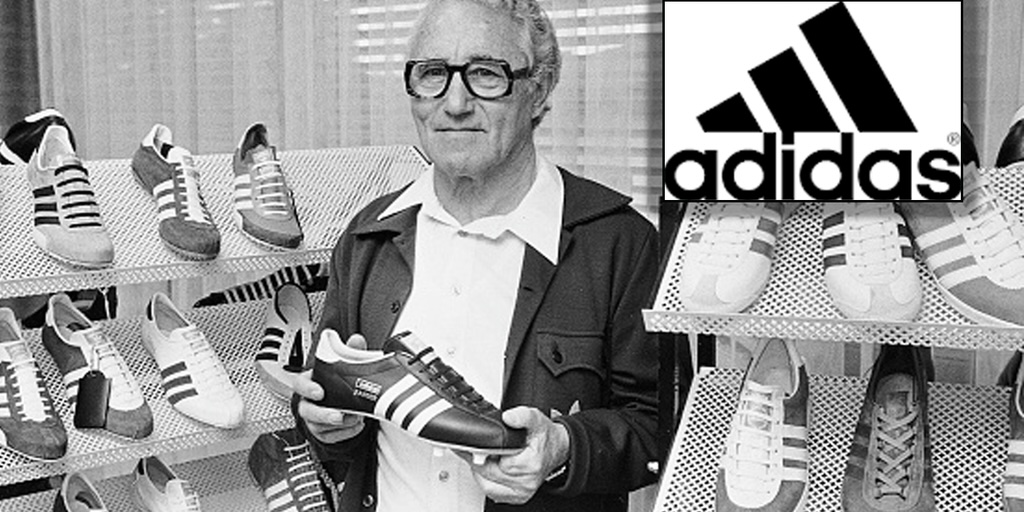
A Timeline of the History of Adidas
1920–1924: Early Foundations and Adidas origin
The Adidas origin begins in the early 1920s in Herzogenaurach, Germany. It was here that Adolf “Adi” Dassler, the man who invented Adidas, started making athletic shoes by hand in his mother’s laundry room, driven by the idea that footwear should help athletes perform better.
Long before branding or mass production, Dassler focused on how athletes moved, trained, and competed. His approach was practical, experimental, and performance-led, a mindset that would go on to shape Adidas as a brand.
1936: International Breakthrough at the Olympic Games
A major pre-brand milestone in the history of Adidas came at the 1936 Berlin Olympics, when American sprinter Jesse Owens won four gold medals wearing Dassler-made spiked shoes. The moment gave the company international visibility and proved that footwear innovation could influence sporting outcomes.
1949: When did Adidas come out as a Brand
The defining year in the timeline is 1949. After the split between the Dassler brothers, Adolf Dassler officially registered Adidas on 18 August 1949.
For those searching when did Adidas come out, this is the definitive answer. The brand name combined Adi’s nickname and surname, marking the formal birth of Adidas as an independent company focused on athlete-led innovation.
1954: Adidas and the World Cup Turning Point
One of the most significant moments in Adidas brand history occurred at the 1954 FIFA World Cup. The German national team wore adidas football boots with removable screw-in studs, allowing players to adapt to poor pitch conditions.
The victory established the brand as a global sports innovator and accelerated its international growth.
1960s: Expansion Beyond Footwear
During the 1960s, Adidas expanded from footwear into sports apparel and equipment. Tracksuits, training gear, and accessories became part of the brand’s offering, transforming them into a full sportswear company.
1972: History of Adidas logo and the Trefoil
The history of the Adidas logo began with the three stripes, originally added for stability. In 1972, Adidas introduced the Trefoil logo for the Munich Olympics, symbolising performance, heritage, and global reach.
This moment remains central to Adidas logo history, particularly within Adidas Originals.
1980s: Adidas Enters Global Culture
The 1980s marked a major stage in the Adidas evolution, as the brand moved beyond sport and into music and street culture. Adidas became closely associated with hip-hop and youth movements, gaining cultural relevance that extended far beyond athletics.
1990s: Reinvention and Modern Brand Structure
In the 1990s, Adidas introduced the three-bar logo and restructured its business to compete globally. This period modernised the brand and reinforced its commitment to performance and innovation.
2000s–Present: Heritage Meets Innovation
In recent decades, Adidas has balanced classic silhouettes with innovation, sustainability initiatives, and cultural collaborations. This ability to evolve while respecting its roots is why the history of Adidas continues to resonate today.
Why Stock Adidas Wholesale Fashion
From a wholesale point of view, Adidas combines long-term brand trust with ongoing commercial relevance. It’s a brand customers already understand, actively look for, and continue to buy into, which lowers risk for retailers while supporting consistent sell-through across seasons.
Here are just a few reasons why you should stock wholesale Adidas clothing and accessories:
- Reliable, year-round demand: Adidas isn’t driven purely by short-lived trends. Core styles and repeat silhouettes sell steadily throughout the year, helping smooth revenue rather than concentrating sales into peak periods only.
- Strong performance across multiple categories: Footwear, apparel, and lifestyle lines all convert well, giving buyers flexibility to build rounded ranges instead of relying on a single hero product.
- High brand recognition with low education cost: Customers know what Adidas stands for, which shortens the buying journey and reduces the need for heavy in-store or on-page explanation.
- Lower risk on stock investment: Familiar designs and consistent sizing encourage repeat purchases, helping retailers plan buys with more confidence and less exposure to dead stock.
- Timeless silhouettes that protect margin: Many styles retain value over time, reducing pressure on markdowns and supporting healthier margins at the wholesale fashion level.
- Access to off-price Adidas stock through Bundlex B2B: Through Bundlex’s B2B off-price marketplace, retailers can source Adidas wholesale at competitive prices, unlocking better margins while maintaining the credibility of a globally recognised brand, without committing to full-price buying models.
Final Thoughts
The history of Adidas is rooted in problem-solving, innovation, and cultural awareness. From a small German workshop to a global powerhouse, the brand has evolved without losing sight of its original purpose.
That balance between heritage and relevance is exactly why Adidas continues to perform, both on shelves and in the wider fashion landscape.
Explore our aAdidas wholesale collection and secure stock from one of the world’s most recognised sportswear brands.
FAQs
Who Owns Adidas Today?
It is a publicly traded company owned by shareholders and listed on the Frankfurt Stock Exchange. It is no longer family-owned and is operated by an executive leadership team.
What is the History of Adidas Logo?
The logo began as three functional stripes on footwear before becoming a global brand symbol. Over time, logos like the Trefoil were introduced to represent heritage and lifestyle, while the stripes remained central to brand identity.
When Did Adidas Come Out as a Brand?
Adidas officially launched as a brand in 1949 after Adolf Dassler split from his brother. This marked the start of Adidas as an independent company focused solely on sports performance and innovation.